



Down syndrome is a chromosome condition that many parents first hear about during pregnancy screening, after birth, or during a child health review. For families in Sungai Buloh, Shah Alam and Selangor, the most helpful first step is usually not fear, but a clear conversation with a qualified healthcare professional about what is known, what is uncertain, and what support may be useful.
This article is general patient education only. It cannot diagnose a baby or child, interpret a screening result for your pregnancy, or replace advice from your own doctor. Please consult a qualified healthcare professional for personal medical concerns, and seek urgent care for severe pain, heavy bleeding, fainting, breathing difficulty, seizures, or any rapidly worsening symptom.
Down syndrome: what parents should know first
The MedlinePlus Genetics guide to Down syndrome describes it as a chromosomal condition commonly involving extra chromosome 21 material. People with the condition are individuals first: their health needs, learning profile, personality, family life, and development can vary widely. A respectful healthcare discussion should avoid labels that reduce a child to a test result.
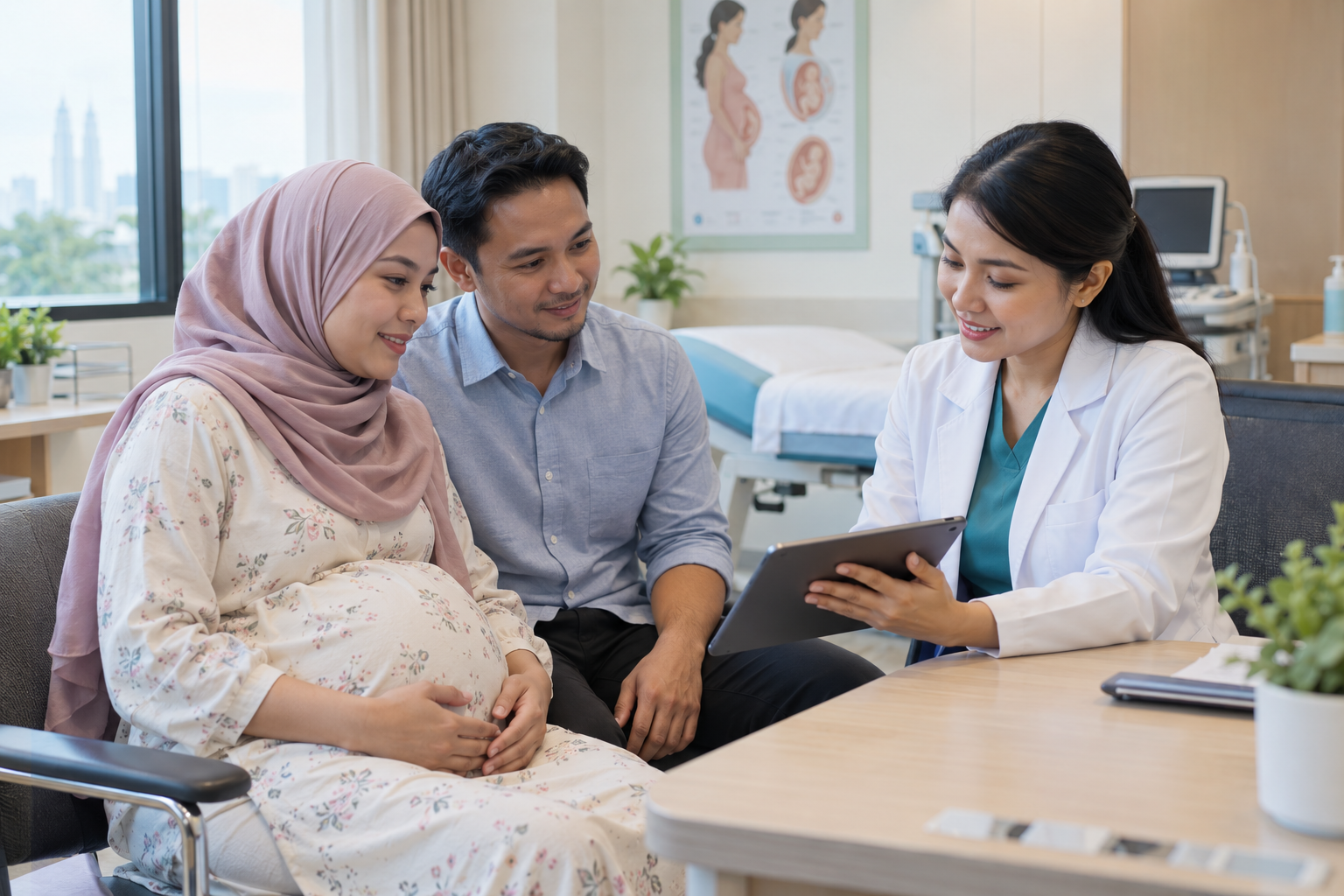
During pregnancy, families may hear about screening tests and diagnostic tests. ACOG patient guidance on prenatal genetic screening explains that screening estimates the chance of certain chromosome conditions, while diagnostic testing is a different process. That distinction matters because a screening result is not the same as a confirmed diagnosis.
7 reassuring points about Down syndrome conversations
1. Screening is about risk, not certainty
A screening test can suggest whether there is a lower or higher chance of Down syndrome, but it does not confirm the condition by itself. A lower-chance result does not promise that every concern is excluded, and a higher-chance result does not automatically mean the baby has the condition. Ask your clinician to explain the result in plain language, including what follow-up is optional, recommended, or urgent.

2. Timing can affect which pregnancy options are useful
Some screening discussions happen early in pregnancy, which is why early antenatal care matters. Klinik Lanaamedik’s antenatal check-ups page lists NT scan timing and NIPT/NICC blood test options, while the clinic’s NT Scan guide explains that nuchal translucency is a screening tool, not a diagnosis. If you are unsure of your dates, bring previous scan reports or your Buku Pink if available.
3. Diagnostic testing is a separate decision
If screening suggests a higher chance of Down syndrome, the next discussion may include referral, detailed ultrasound, genetic counselling, or diagnostic testing. ACOG guidance on prenatal diagnostic tests describes diagnostic options such as CVS or amniocentesis, which should be discussed carefully because they involve different benefits, limits, and risks. Parents should have room to ask questions before deciding.
4. A scan can support care, but it cannot answer everything
Ultrasound can help with pregnancy dating, growth review, anatomy checks, and certain screening conversations, depending on the stage of pregnancy and the reason for the scan. It cannot predict every future health or developmental need. A responsible visit should end with a clear explanation of what was checked, what remains uncertain, and whether any further appointment is needed.
5. Children and families may need coordinated support over time
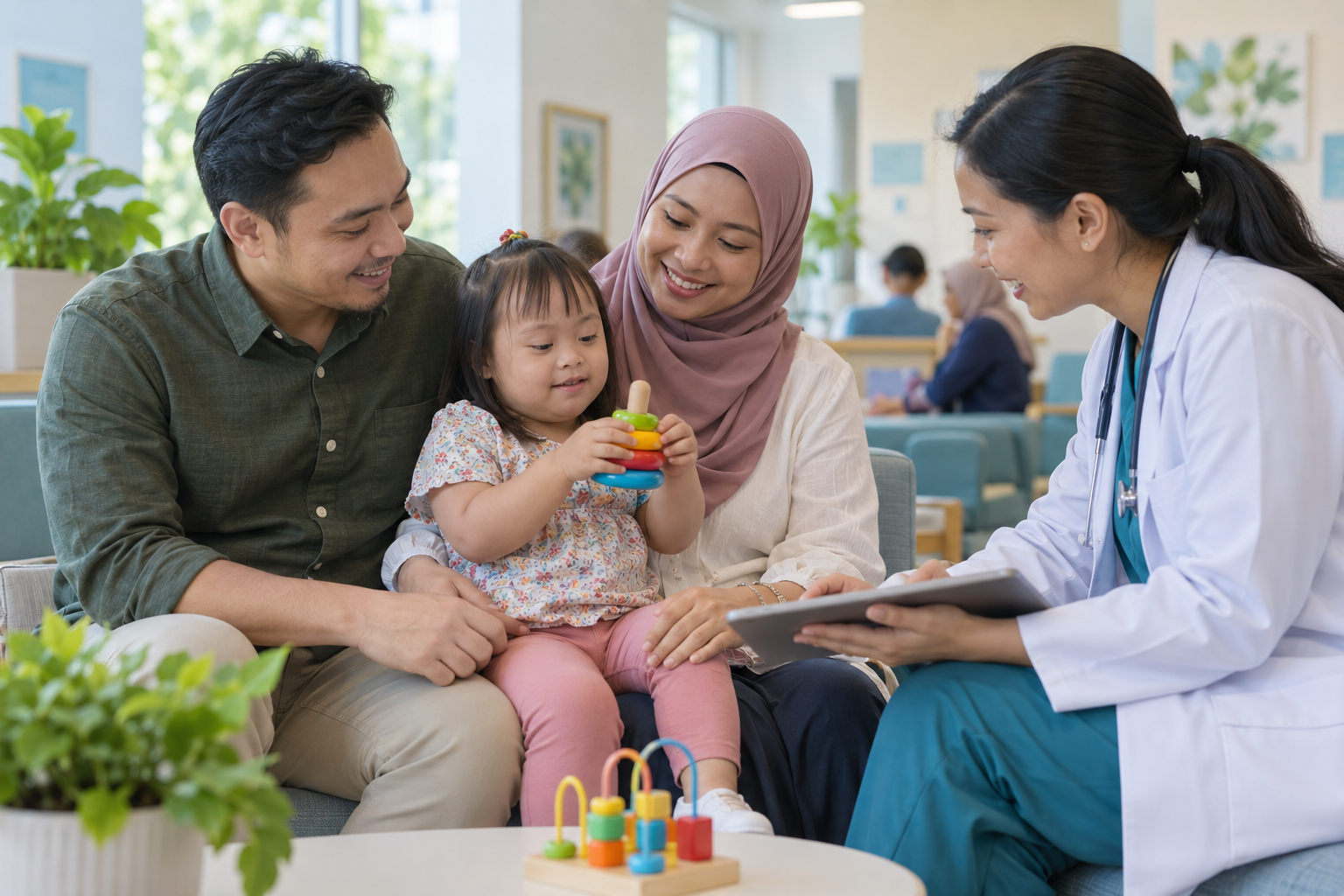
If a child has Down syndrome, support may involve regular child health reviews, developmental screening, hearing and vision checks, heart assessment when advised, feeding support, therapy referrals, and family guidance. Malaysia.gov notes that MOH health facilities focus on early detection, early intervention, and continuous support for children with special needs. The exact plan should be individualised by the child’s healthcare team.
6. Parents can ask practical questions without feeling guilty
It is normal to ask practical questions: What does this result mean? Who will explain it? Do we need another scan? Should we see an obstetric specialist, paediatrician, or genetic counsellor? What symptoms need urgent review? What records should we bring? These questions do not mean you are pessimistic. They mean you are trying to care for your family responsibly.
7. Support should include the whole family
Health information can feel heavy, especially when parents are balancing work, school runs, transport, older children, and extended family opinions. If you are anxious, ask for the information to be repeated slowly, written down, or explained in Bahasa Malaysia if that is easier. A good Down syndrome conversation should help parents make informed decisions, not leave them confused or ashamed.

How Klinik Lanaamedik can support families near Sungai Buloh
Klinik Lanaamedik provides family medicine and antenatal care for communities around Sungai Buloh, Shah Alam and nearby Selangor areas. Families who are planning pregnancy care can start with the clinic’s services page, antenatal check-ups, or contact page to ask what appointment type is suitable.
If your concern is about Down syndrome screening during pregnancy, bring your dates, previous reports, medicines, allergies, and any questions you want answered. If your concern is about a baby or child’s development, bring child health records, growth information, previous hospital letters, and a short list of changes you have noticed.
The safest next step is a personalised discussion. Screening, diagnosis, follow-up, and family support depend on the patient’s situation, not only on one keyword or one test. For personal concerns, book an appropriate consultation through Klinik Lanaamedik’s appointment page, and seek urgent medical care immediately if symptoms are severe or worsening quickly.
