



Wound care clinic visits are useful when a cut, ulcer, burn, surgical wound, or foot wound needs more than a quick plaster at home. For families near Sungai Buloh, Shah Alam, and Selangor, timely review can help a qualified clinician check whether the wound is cleaning up, whether the dressing is suitable, and whether there are warning signs that need closer care.

A wound care clinic appointment is not only for severe injuries. It can also be helpful when a wound is slow to close, keeps leaking, smells unusual, becomes more painful, or happens in someone with diabetes, poor circulation, reduced sensation, or a weakened immune system. Klinik Lanaamedik lists relevant verified services including chronic wound care, acute wound care, diabetic foot care, and minor surgery.
This article is general health education only. It cannot diagnose your wound, decide whether you need antibiotics, or replace an in-person examination. Please consult a qualified healthcare professional for personal medical concerns, especially if pain, swelling, fever, spreading redness, numbness, bad smell, pus, or bleeding is present.
Wound care clinic: 7 practical steps for safer healing
1. Check what caused the wound
During a wound care clinic visit, the story matters. A clean kitchen cut, a road-rash graze, a post-surgery wound, a pressure sore, and a diabetic foot ulcer all need different thinking. Tell the clinician when the wound started, how it happened, whether anything may still be inside it, and whether it has been exposed to soil, flood water, drains, pets, workplace chemicals, or dirty equipment. In Malaysia, also mention recent travel, sports injuries, motorbike falls, school accidents, or occupational exposures.
2. Look at size, depth, skin, and drainage
For a wound care clinic near Sungai Buloh, the first practical goal is careful assessment, not guesswork. The clinician may look at the wound size, depth, edge, surrounding skin, drainage, smell, pain level, and whether movement or footwear is making it worse. The NHS advice on cuts and grazes notes that many small wounds can be cleaned and covered at home, but some wounds need medical care when infection risk or seriousness is higher.
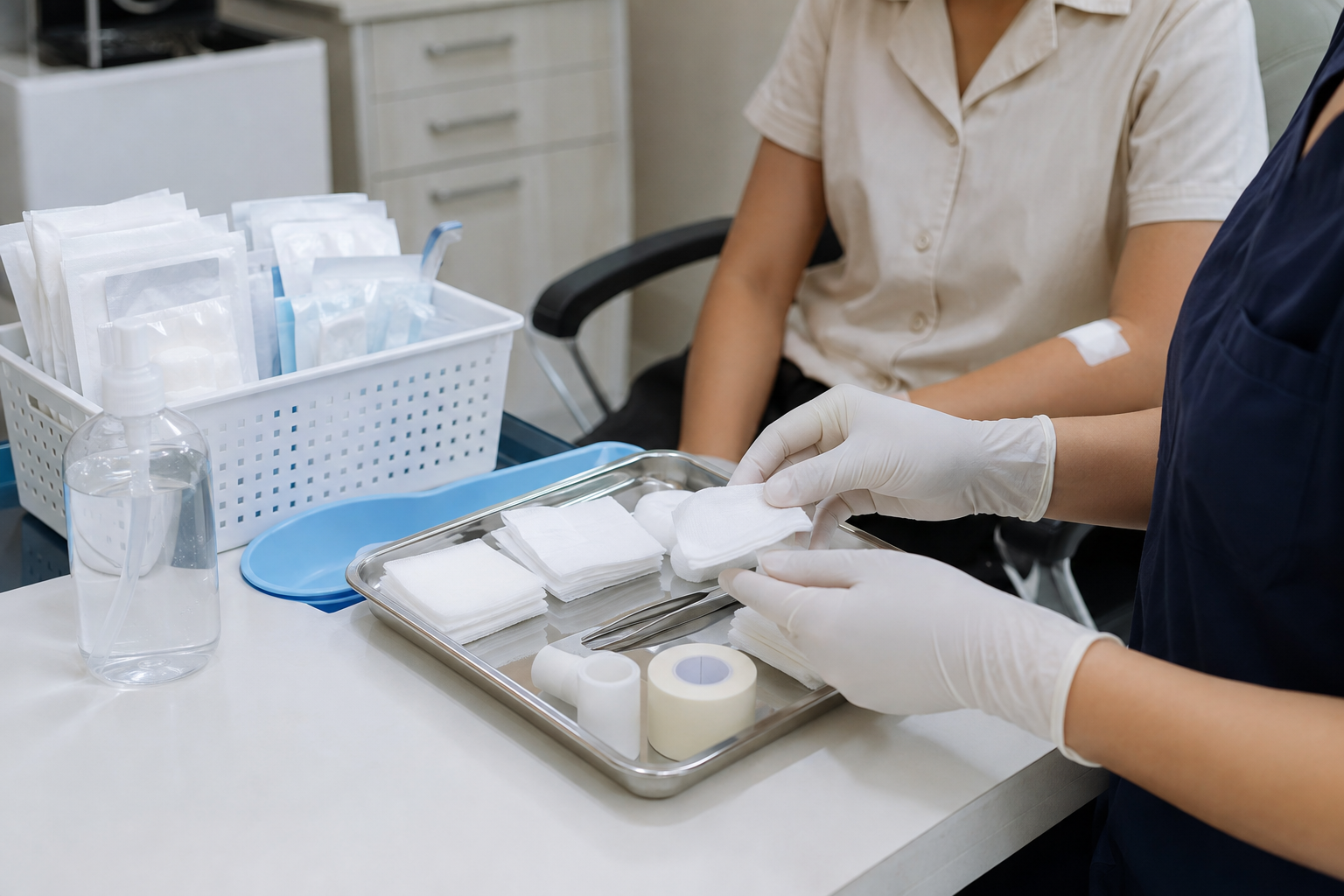
3. Clean and dress the wound properly
A wound care clinic can help choose a dressing that fits the wound and the patient’s daily routine. Some dressings are mainly protective, while others help manage fluid or keep the wound environment appropriate. The important point is that dressings should be changed as advised, kept clean and dry when required, and reviewed if they become soaked, loosened, painful, or smelly. Do not pack deep wounds, remove stuck dressings forcefully, or apply strong antiseptics repeatedly unless a clinician has advised it.
4. Watch for infection without self-treating
In a wound care clinic setting, infection checks are handled alongside the full clinical picture. Warning signs can include spreading redness, warmth, swelling, worsening pain, pus, bad smell, fever, chills, or feeling generally unwell. Antibiotics are not needed for every wound, and taking leftover antibiotics can delay proper assessment. Malaysia’s National Antimicrobial Guideline 2024 supports responsible antimicrobial use to reduce resistance, so antibiotic decisions should come from a qualified clinician.
5. Take diabetes and foot wounds seriously
For people with diabetes, a wound care clinic visit should not be delayed when there is a foot wound, blister, ulcer, colour change, numbness, or infection concern. The CDC’s diabetes foot care guidance advises daily foot checks because nerve damage can make injuries easier to miss. The Ministry of Health Malaysia quick reference on management of diabetic foot also highlights urgent referral for active diabetic foot problems such as ulceration, spreading infection, critical limb ischaemia, gangrene, or suspected acute Charcot changes.
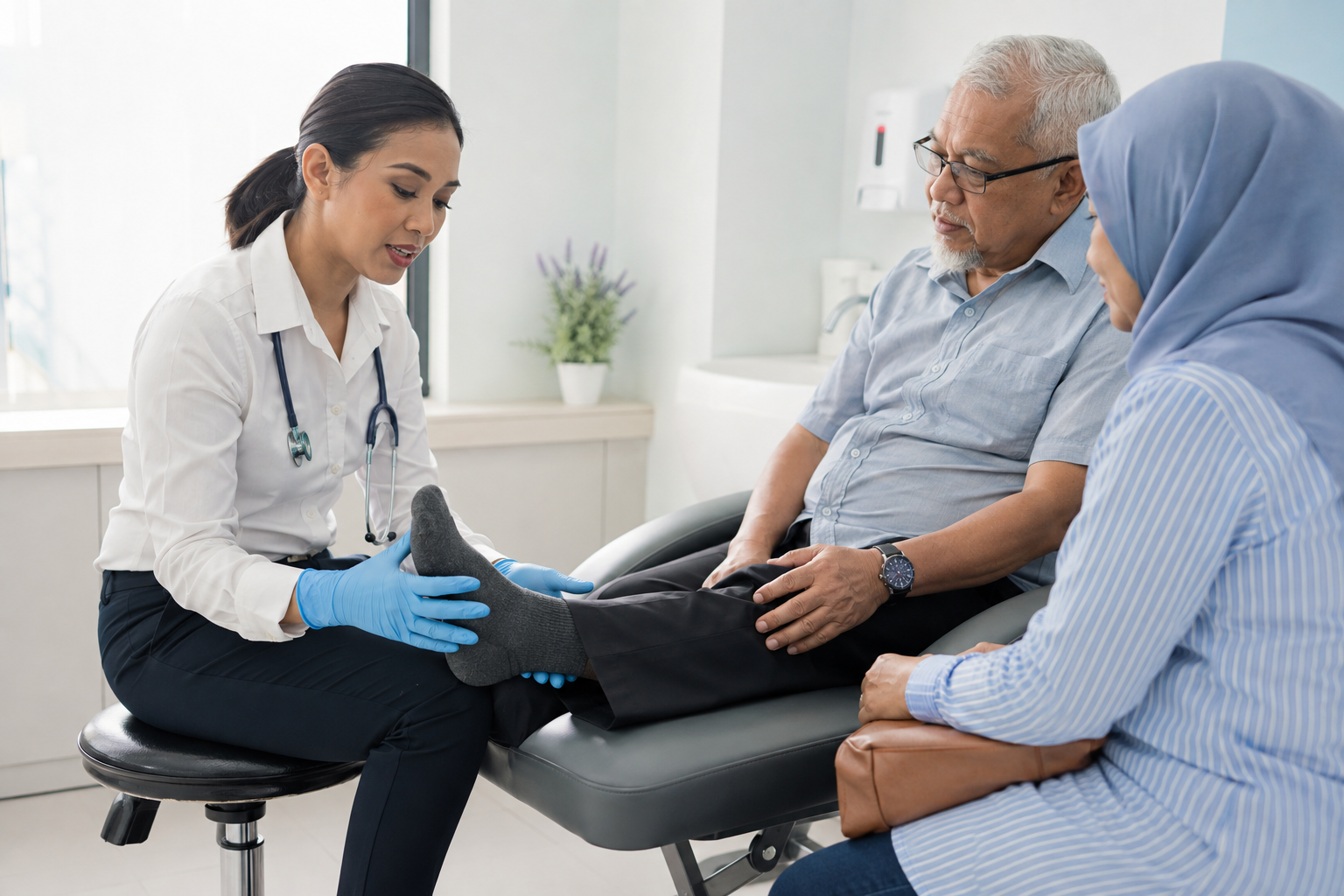
6. Review tetanus, pain, and related health issues
Your wound care clinic plan may include more than a dressing. The clinician may ask about tetanus vaccination, pain control, diabetes control, blood pressure, circulation, medicines such as blood thinners, allergies, smoking, nutrition, and mobility. Klinik Lanaamedik’s chronic disease management and health screenings pages are relevant when wound healing overlaps with diabetes, hypertension, cholesterol, or general health monitoring.
7. Agree on follow-up and escalation
A good wound care clinic experience should end with a plain next-step plan. Ask how often the dressing should be changed, what symptoms should trigger an earlier review, whether work or school activities need temporary changes, and whether you should bring photos of the wound between visits. If a wound is not improving as expected, the plan may involve closer follow-up, further cleaning, imaging, blood tests, referral, or hospital assessment depending on the situation.
When not to wait for a routine appointment
Seek urgent medical care if bleeding will not stop, the wound is deep or gaping, something is stuck inside it, there is loss of sensation or movement, the wound follows an animal or human bite, or the person has fever, spreading redness, severe pain, blackened skin, or confusion. For diabetic foot wounds, worsening infection signs should be treated as time-sensitive. These situations should not be managed only through online advice or delayed until a convenient weekend slot.
For less urgent wounds, a wound care clinic visit can still be worthwhile when dressings are difficult to manage, the wound keeps reopening, or family members are unsure whether healing is progressing. This is common for older adults, people who stand all day at work, caregivers managing dressings at home, and patients balancing wound care with school runs, commuting, prayer routines, or long shifts.
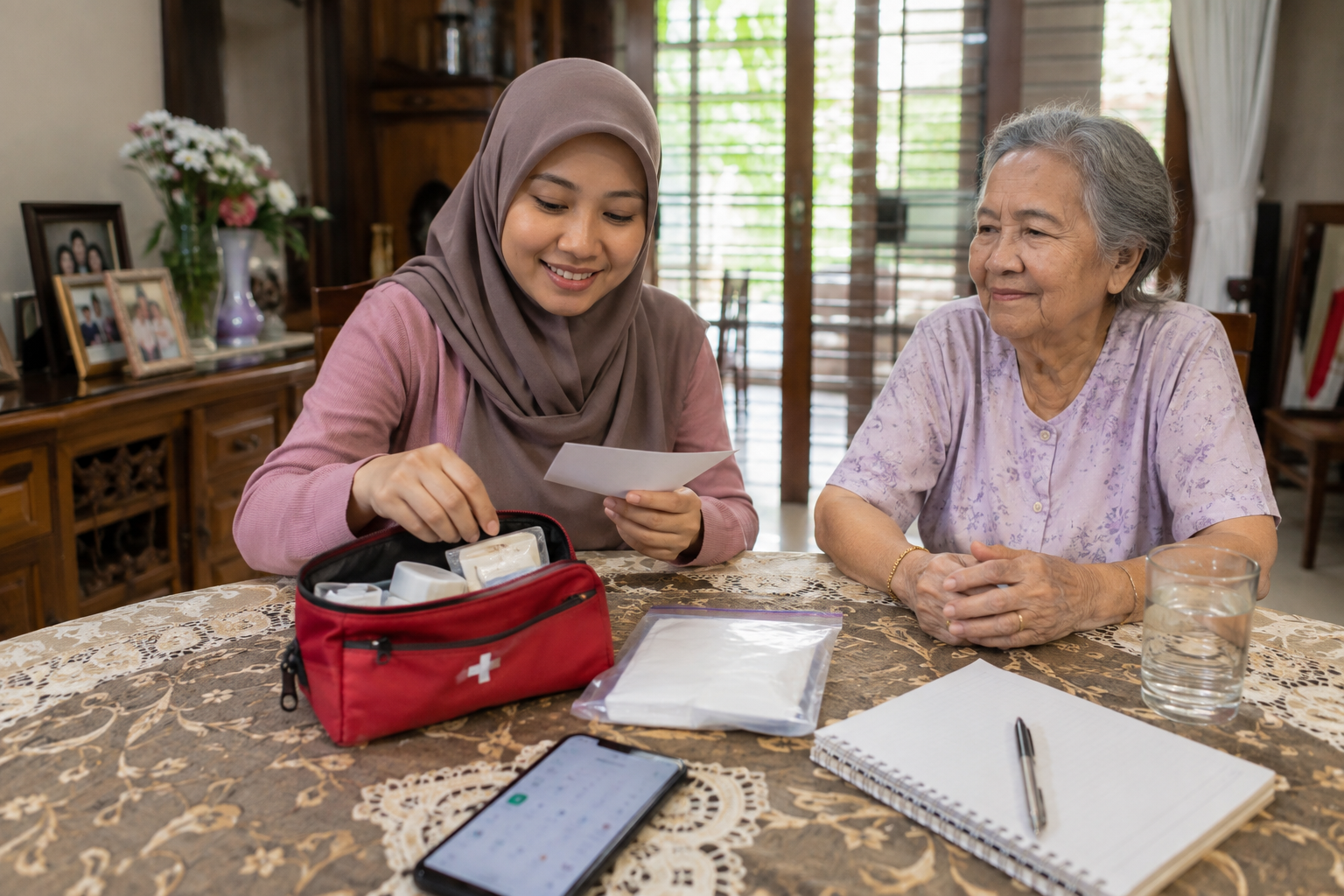
How to prepare before visiting Klinik Lanaamedik
Before a wound care clinic visit, bring your MyKad or MyKid details, current medicines, allergy information, diabetes records if available, previous clinic or hospital notes, and any photos showing how the wound has changed. Keep the existing dressing on if it is safe to do so, because the clinician may want to see the amount and type of drainage. If the dressing is soaked or dirty, change it with clean hands and bring the used dressing details if helpful.
You can also use Klinik Lanaamedik’s appointment page or contact page to plan the visit. For families around Bukit Rahman Putra, Sungai Buloh, Shah Alam, and nearby Selangor communities, the most useful care is usually practical: a clear wound assessment, a dressing plan that fits home life, and sensible advice on when to return earlier.
A practical first step for safer wound care
A wound care clinic cannot promise instant healing, and no article can tell you exactly what your wound needs without examination. What it can provide is structured assessment, clean dressing support, early recognition of warning signs, and a follow-up plan that respects your medical history and family routine. If you are worried about a wound, especially one linked to diabetes or infection signs, arrange a review with a qualified healthcare professional.
